How to Set Up the Perfect Outdoor Entertaining Space (That Works in Every Season)

February 27, 2026
Why Outdoor Entertaining Deserves Proper Planning
Most of us have been to a backyard gathering where the sun hammers down on the guests, the wind sends napkins flying across the lawn, or everyone ends up huddled in the corner because the space just doesn't quite work. A well-thought-out outdoor entertaining area avoids all of that - and the good news is that it doesn't take a full renovation to get there.
Whether you're hosting a Sunday lunch for the grandchildren, a long dinner with friends, or just enjoying a quiet evening drink with your partner, a few smart decisions about layout, shelter, lighting, and comfort make a world of difference. Manawatū's climate gives us warm dry summers and cool winters - which means an outdoor space that handles both ends of that spectrum will reward you with months of genuine use every year.
Start With a Zones Approach
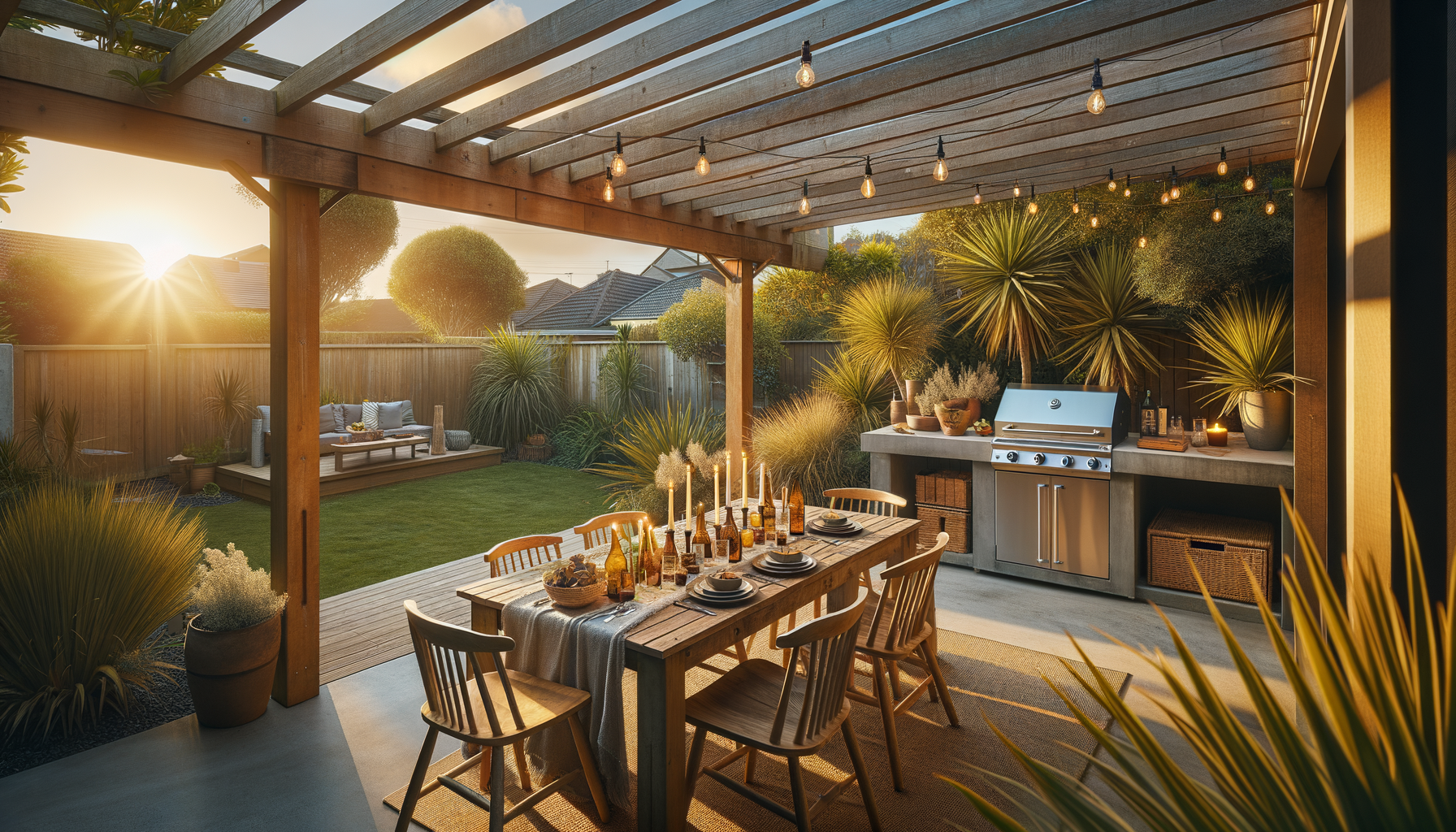
One of the most effective ways to design an outdoor entertaining area is to think in zones rather than trying to make one open space do everything. A simple three-zone approach works well for most homes:
- Dining zone: A defined area with a proper outdoor table and chairs, large enough to seat your typical crowd comfortably. Allow at least 90cm of clearance around the table so people can move freely.
- Lounge or relaxing zone: Comfortable seating for conversation - a couple of outdoor armchairs or a sofa setting works well. This doesn't need to be large; even a pair of chairs with a small side table creates a distinct feel.
- Cooking or prep zone: Whether it's a full outdoor kitchen or just a designated spot for the barbecue, keeping this separate from the dining area improves the flow of a gathering significantly.
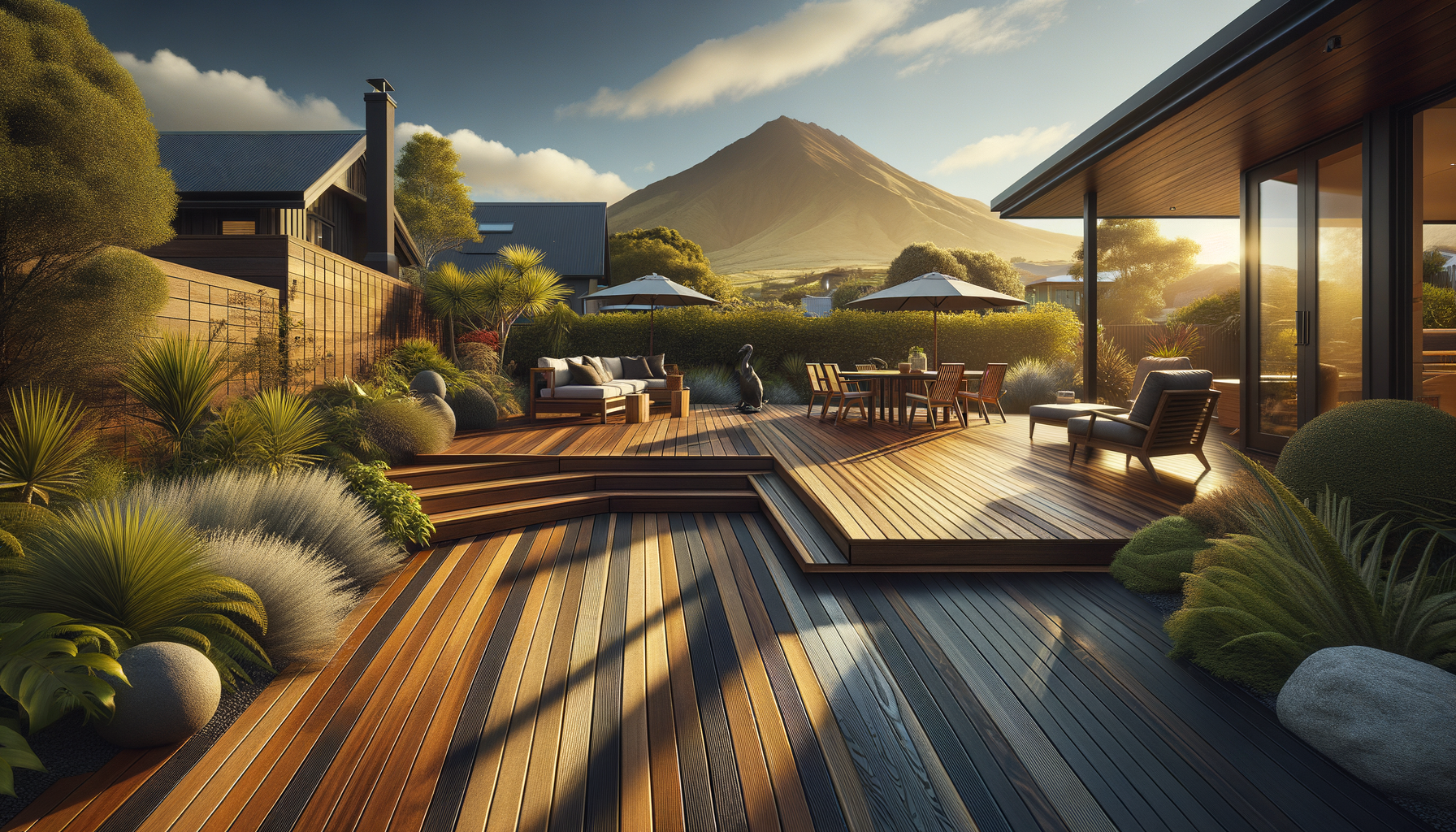
Even in a modest-sized outdoor area, clearly defining these zones - through changes in flooring material, an area rug, or simply the placement of furniture - helps the space feel purposeful and organised.
Shelter Is Non-Negotiable
If there's one investment that transforms an outdoor entertaining space from occasionally useful to genuinely functional, it's overhead shelter. A covered area means you're not held hostage by the weather - and in Manawatū, where afternoon nor'westers and sudden summer showers can surprise even the most optimistic host, having that protection matters.
Research consistently shows that the number-one reason outdoor spaces go unused is lack of weather protection. Once a covered area is in place, homeowners report using their outdoor space dramatically more throughout the year - including in cooler months they would have previously written off entirely.
What type of shelter works best? That depends on your situation, but a few principles apply broadly:
- Coverage matters more than size. A smaller fully covered area is more useful than a large partially covered one.
- Consider what you're protecting against. In Manawatū that's typically afternoon westerlies, summer UV, and winter rain. Your shelter solution should address all three.
- Connection to the house makes a difference. A covered area that connects seamlessly to your indoor living space - ideally through large doors or a wide opening - will be used far more than a standalone structure at the back of the garden.
Get Your Furniture Selection Right
Outdoor furniture takes a beating from UV, moisture, and temperature swings. Choosing the right materials from the start saves you from constant replacement and maintenance headaches.
Here's how the main options stack up:
- Teak and hardwoods: Classic, beautiful, and very durable. They do require annual oiling to maintain their colour and condition, but well-maintained teak furniture can last 20-30 years outdoors.
- Aluminium: Lightweight, rust-proof, and low maintenance. A popular choice for dining sets. Look for powder-coated finishes which resist chipping and UV fading.
- All-weather wicker (synthetic resin): Offers the aesthetic appeal of natural wicker without the moisture and mildew issues. Works well for lounge-style seating.
- High-density polyethylene (HDPE): Marine-grade plastic that looks like timber but requires almost no maintenance. An excellent choice if you want minimal upkeep.
Whatever material you choose, prioritise comfort. Thin seat pads and hard armrests make people want to go back inside. Deep, well-cushioned seating with quality outdoor-grade fabric keeps guests comfortable and encourages longer, more relaxed gatherings.
Lighting Sets the Atmosphere
Good outdoor lighting is what turns a daytime entertaining space into one that works beautifully into the evening. The mistake most people make is relying on a single overhead light - which creates a harsh, flat effect and usually leaves half the space in shadow.
A layered lighting approach works far better:
- Ambient lighting provides general illumination across the space - ceiling-mounted fixtures within a covered area, or wall-mounted lights work well here.
- Task lighting is focused where you actually need to see things - above the dining table, near the barbecue, or along steps and pathways for safety.
- Accent lighting adds warmth and atmosphere - fairy lights threaded through a pergola, low ground-level garden lights, or candles on the table all fall into this category.
For safety, make sure any steps, level changes, or pathways between the house and entertaining area are clearly lit. Falls on outdoor steps at night are unfortunately common, and good path lighting is a simple preventative measure.
LED lighting is now the standard for outdoor use - it's energy-efficient, long-lasting, and available in warm tones that create a far more inviting atmosphere than older fluorescent options.
Managing the Climate in Your Space
Even with overhead shelter in place, temperature and wind can make or break a gathering. A few targeted additions go a long way.
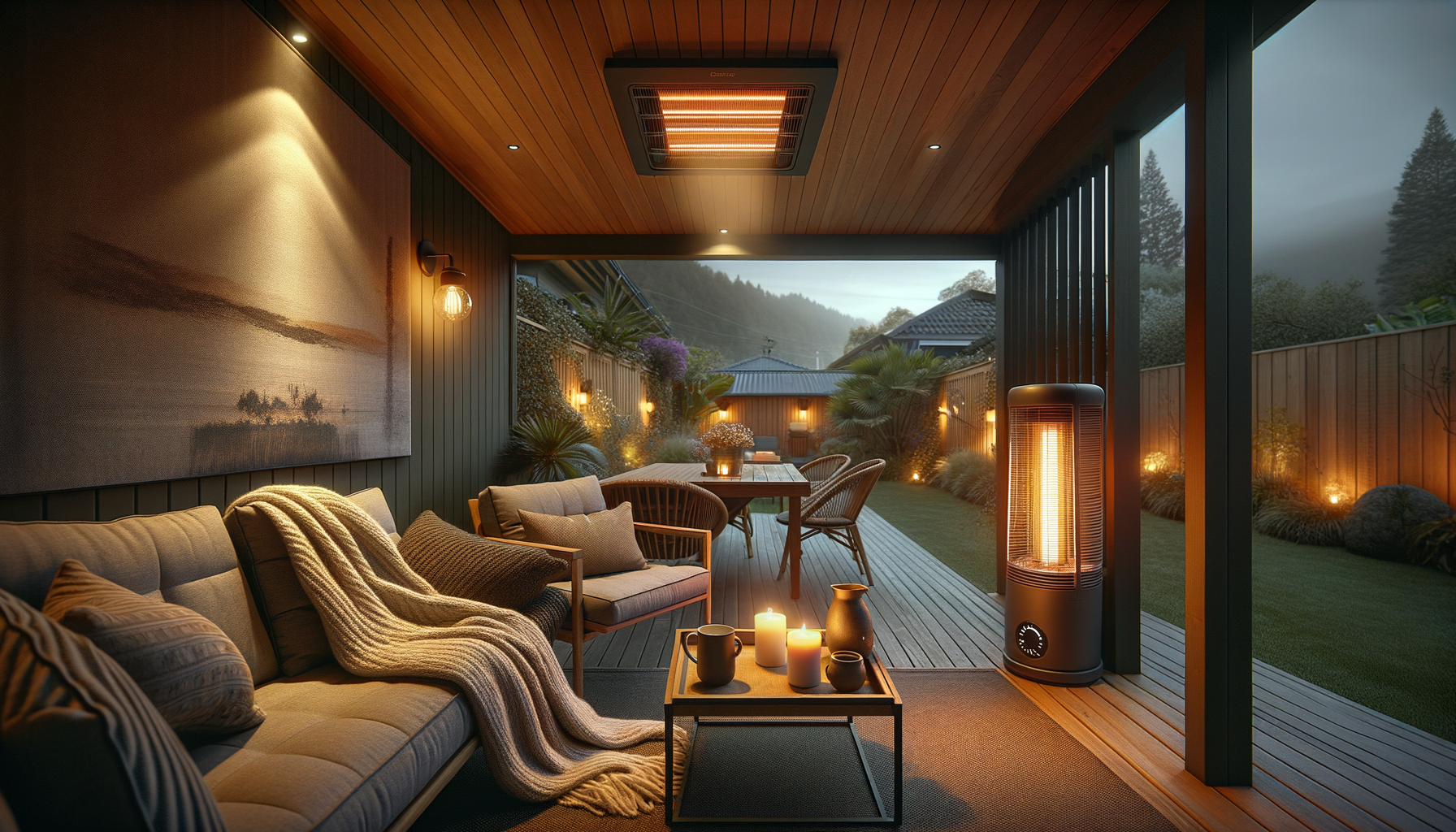
For warmth: An outdoor heater - either a freestanding gas unit or a ceiling-mounted infrared heater - extends the usable season significantly. Infrared heaters are increasingly popular because they heat people directly rather than trying to warm the surrounding air, which makes them far more efficient in open or semi-open outdoor spaces. Research from the University of Auckland suggests that properly heated outdoor areas are used an average of three months longer per year than unheated equivalents.
For wind protection: Prevailing westerlies in the Manawatū can make outdoor entertaining uncomfortable even on an otherwise pleasant day. Screens, outdoor blinds, or thoughtfully placed planting can dramatically reduce wind impact without completely blocking airflow. The goal is to create a sheltered microclimate, not to seal the space off entirely.
For summer heat: Shade is critical during Manawatū's hot summer afternoons. If your existing shelter doesn't provide adequate shade during peak sun hours (typically between 11am and 3pm), consider adding screening, shade sails, or adjustable louvres that can be positioned to block direct sun while still allowing airflow.
Small Details That Make a Big Difference
Once the big structural decisions are made, a few finishing touches take an outdoor entertaining space from functional to genuinely special.
- An outdoor rug in the lounge zone ties seating together and immediately makes the space feel more considered and intentional. Choose one rated for outdoor use with UV resistance and drainage.
- Accessible storage for cushions, throws, and outdoor accessories removes friction - if you have to make three trips inside to set up for guests, you'll do it less often. A weatherproof storage bench near the entertaining area solves this neatly.
- Fragrant plants nearby add an underrated sensory dimension to outdoor entertaining. Lavender, jasmine, and rosemary all release scent particularly on warm evenings and are well-suited to Manawatū conditions.
- A defined entry or threshold between inside and outside - even just a wide, unobstructed doorway - makes the transition feel natural and encourages guests to move freely between spaces.
A Space You'll Actually Use
The best outdoor entertaining spaces share one quality: they're genuinely easy to use. When the setup is comfortable, well-sheltered, and accessible, you find yourself gravitating outside without even thinking about it - for your morning coffee, an impromptu barbecue, or a slow Saturday afternoon with people you care about.
That kind of everyday use is what makes the investment worthwhile, and it starts with getting the fundamentals right. Start with shelter and seating, layer in lighting and warmth, and let the smaller details follow over time. A space doesn't need to be finished to be enjoyable - it just needs to work.