Making the Most of Your Outdoor Space Through Every Northland Season

February 27, 2026
Why Northland's Climate Deserves a Seasonal Approach
Living in Northland is a genuine privilege. Long sunny summers, mild winters, and that lush subtropical greenery that makes the region feel like nowhere else in New Zealand. But if you've got an outdoor living space - a deck, a covered outdoor room, shutters, blinds, or any kind of roof structure - you'll know the Far North can be tough on outdoor materials.
High UV radiation, heavy summer rainfall, coastal salt air in many areas, and the kind of humidity that encourages mould to set up shop quickly - these are the realities of outdoor living in Northland. The good news is that a bit of seasonal know-how goes a long way. Understanding what your outdoor space needs at different times of year means you spend less time doing reactive repairs and more time actually enjoying it.
Here's a practical, season-by-season guide to keeping your outdoor space in great shape and making the most of every month Northland has to offer.
Summer: Protect, Shade, and Enjoy
Northland summers are the reason people move here. But from around November through to March, you're also dealing with the region's most demanding conditions for outdoor structures.
UV is the big one. New Zealand consistently records some of the highest UV index levels in the world - significantly higher than comparable latitudes in the northern hemisphere. According to the New Zealand Cancer Society, UV levels in New Zealand can be up to 40% more intense than in Europe at the same latitude. That UV doesn't just affect your skin. It degrades timber, fades outdoor fabrics, and breaks down surface coatings on decking and pergola frames.
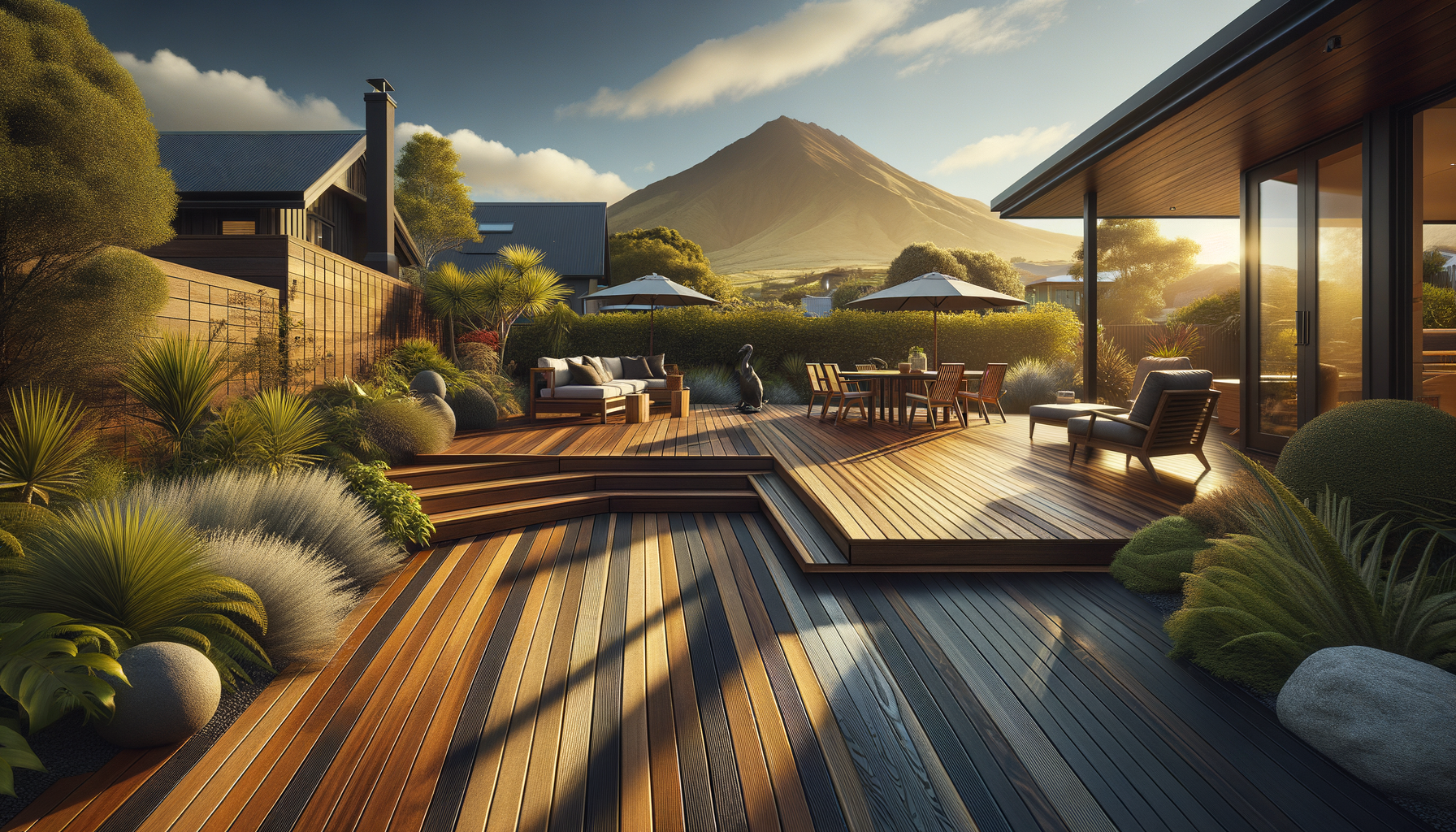
For timber decks specifically, summer is a critical time. If your deck surface is looking thirsty - dry, cracked, or showing colour fade - it's telling you the protective coating has worn down. Apply a quality UV-resistant oil or stain before the peak summer sun hits, ideally in late October or November when temperatures are warm enough for the product to cure properly but before the ground is bone dry. A well-oiled timber deck should feel smooth underfoot and bead water rather than absorbing it.
For your outdoor roof or pergola structure, summer is also when organic growth accelerates. Northland's warmth and humidity create ideal conditions for mould, lichen, and algae - particularly on the underside of roofing panels or the tops of louvre blades. A gentle clean with warm soapy water and a soft brush every four to six weeks through summer keeps this from building up into something harder to shift later. Avoid high-pressure washing on painted or powder-coated aluminium surfaces, as it can force water into joins and strip protective coatings over time.
Making shade work for you is the other summer priority. If your outdoor room gets full western sun in the afternoon, consider how your blinds or shutters are oriented. Outdoor roller blinds and louvre systems work best when you understand the sun's arc - in Northland during December and January, the sun tracks from roughly east-northeast in the morning to west-northwest in the late afternoon. Closing the western-facing blinds by about 2pm can drop the temperature under a covered outdoor area by several degrees without making the space feel closed in.
Autumn: The Best Time to Check and Repair
Autumn is arguably the most underrated season for outdoor living in Northland. From March to May, you typically get settled, calm weather with lower UV intensity, comfortable temperatures, and fewer of the heavy downpours that characterise the peak summer period. It's a genuinely lovely time to be outside.
It's also the ideal window for your annual outdoor space inspection.
Work through this checklist before winter arrives:
- Deck boards: Get down and look along the surface at a low angle to spot any boards that have cupped, cracked, or lifted at the fixings. Check the edges around the perimeter where boards meet the house or a step - these are the spots most prone to moisture retention. Press on any boards that look discoloured, as softness underfoot is an early sign of rot developing beneath the surface.
- Structural frame: If you can access the underside of your deck, check the joists and bearer connections for rust on fasteners and any softening in the timber. Pay particular attention to where the deck attaches to the house - the ledger board connection is a common entry point for moisture if the flashing has deteriorated.
- Roof structure: Look for any debris sitting in gutters or channels - this is especially common if you have trees nearby. Blocked drainage channels on a louvre roof can cause water to back up and pool rather than draining correctly, putting pressure on joins and seals.
- Blinds and shutters: Check the operation of any motorised blinds - run them through their full range of movement. Look for any fraying on guide cables, check that roller mechanisms are clean and free of grit, and wipe down the surface of the fabric or slats with a damp cloth. This is a good time to lubricate any mechanical components per the manufacturer's recommendation.
- Glass panels and doors: Check the seals around any glass louvre or bifold door frames. Seals harden and crack over time, particularly in Northland's UV-intense environment. A failed seal lets moisture in and compromises the thermal and acoustic performance of the glass.
Anything that needs attention is much easier and cheaper to fix in dry, mild autumn weather than in the middle of a wet Northland winter.
Winter: Embrace What Northland Does Best
Here's something Northland homeowners know that the rest of New Zealand sometimes forgets: Northland winter is genuinely mild. Kerikeri, Whangarei, and the Bay of Islands rarely see overnight temperatures drop below 8-10 degrees Celsius, and daytime temperatures through June and July are often sitting in the mid-teens.
That means your outdoor living space doesn't have to be mothballed for winter - it just needs to be set up for it.
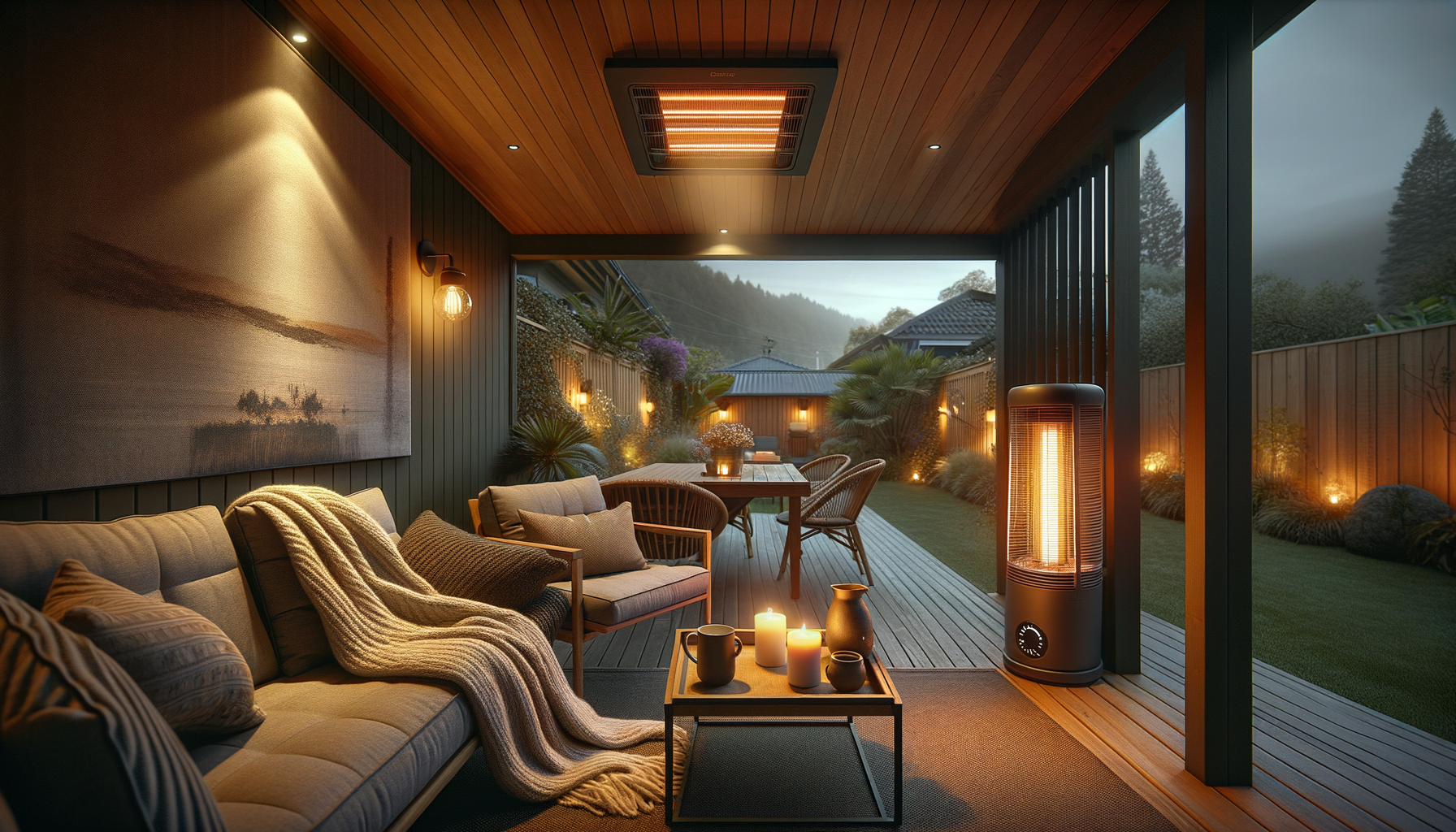
A covered outdoor room with the right orientation is genuinely usable throughout Northland's winter months. The key is capturing the sun and blocking the wind. Northland's coldest conditions almost always come with a southerly airflow, so outdoor spaces that face north and have screening on the southern side can feel remarkably comfortable even on the cooler days. If your outdoor blinds or shutters face south, keeping them closed during southerly spells makes a significant difference to how comfortable the space feels.
Winter is also when Northland's greenery is at its most lush and the light has a quality that's quite different from summer - softer, more horizontal, and often genuinely beautiful in the early afternoon. It's worth making the most of it rather than simply waiting for October to roll around.
On the maintenance side, winter is when mould and lichen tend to accumulate on outdoor surfaces most rapidly. Northland's winter rainfall keeps surfaces damp for longer periods, and lower sun angles mean some areas of decking or paving receive very little direct sunlight through the day. A monthly wipe-down or light brush of your deck surface and any painted or coated surfaces through winter will prevent buildup from becoming deeply embedded.
Spring: Refresh and Prepare
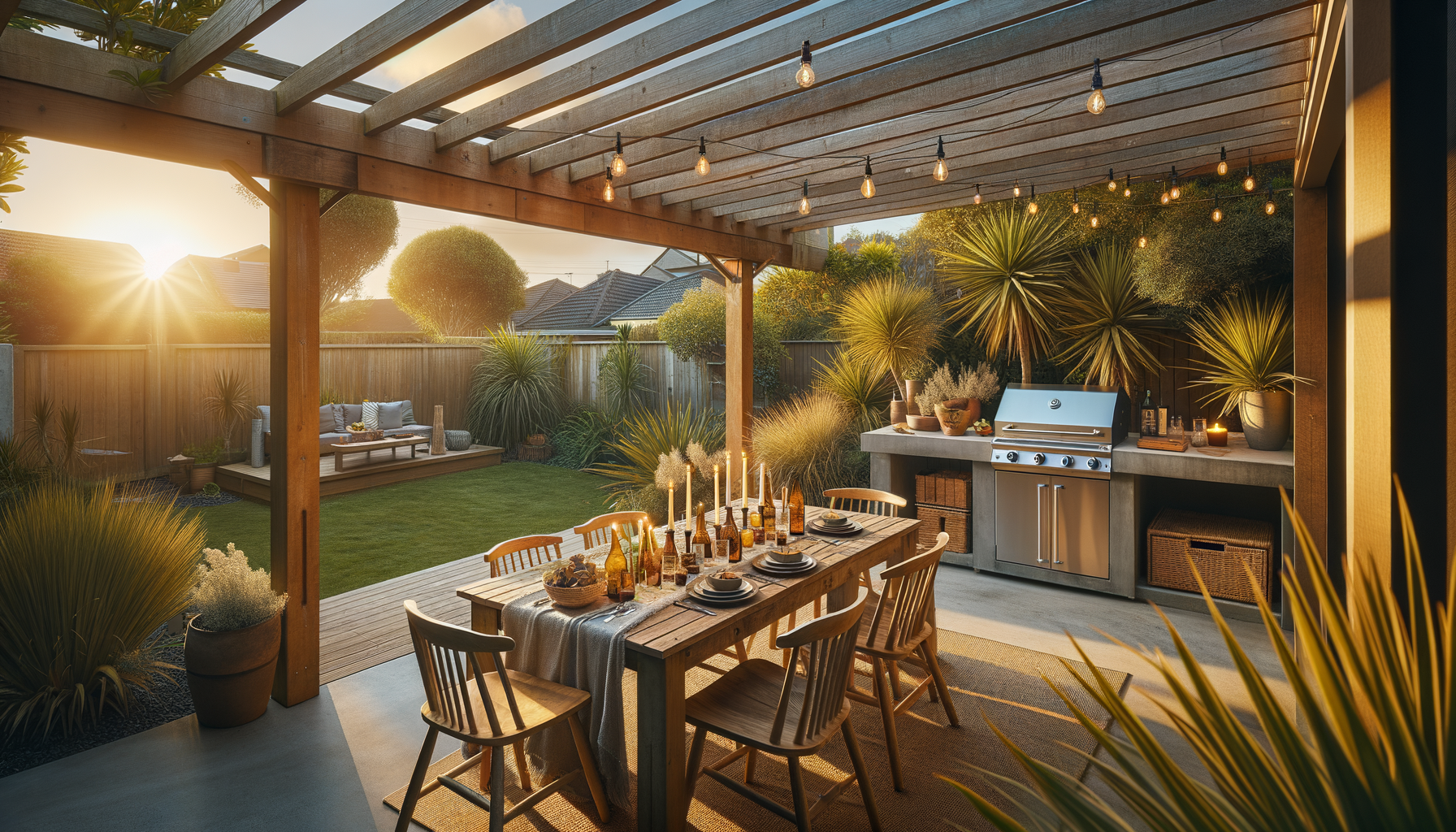
Spring in Northland arrives early - often by late August or September - and the transition from mild winter to warm spring can be rapid. This is your window to set your outdoor space up for the long summer entertaining season ahead.
A thorough spring clean of all surfaces is the starting point. For timber decking, wash the surface with a deck cleaning solution or diluted oxalic acid-based cleaner to lift any mould staining or greying that's developed through winter. Allow it to dry fully over several days before assessing whether restaining or re-oiling is needed. If water is absorbing into the surface rather than beading, it's time to apply a fresh coat.
For aluminium pergola and roof structures, a full wash-down with mild soapy water will remove salt deposits - particularly important if you're within a few kilometres of the coast. Salt accumulation is one of the main causes of premature corrosion in coastal Northland, and regular rinsing is the simplest way to manage it. Rinse the structure thoroughly with fresh water after washing to remove any soap residue.
Spring is also a good time to think about any adjustments to your outdoor furniture arrangement or blind configuration that might improve how the space works over summer. Consider how afternoon shade falls and whether repositioning a piece of furniture or adjusting a blind mounting angle might improve comfort during those long summer evenings.
The One Habit That Makes Everything Easier
If there's a single piece of advice that applies across every season in Northland, it's this: little and often beats big and rare every time.
Outdoor structures in Northland's climate face a sustained combination of UV, humidity, salt air, and biological growth that is among the most demanding in New Zealand. Materials that would last twenty years with minimal attention in a dry inland climate may need attention every couple of years here. That's not a flaw in the materials - it's just the reality of living in a subtropical environment that also happens to be extraordinarily beautiful.
Research from the building performance sector consistently shows that the cost of preventive maintenance is a fraction of the cost of reactive repair. A deck that's cleaned and restained every two years will comfortably outlast one that's left until boards begin to fail. A louvre roof that's cleared of debris each season will continue draining correctly for decades.
The upside of that regular attention is that it keeps you connected to your outdoor space throughout the year - not just in the summer months. And in Northland, where the outdoor living season genuinely stretches across twelve months rather than four or five, that connection is one of the real privileges of calling this part of New Zealand home.